
In addition to the membership meetings, other special events are organised from time-to-time. Please see the special events and dates listed below.
Archaeology of Shorne Woods Country Park.
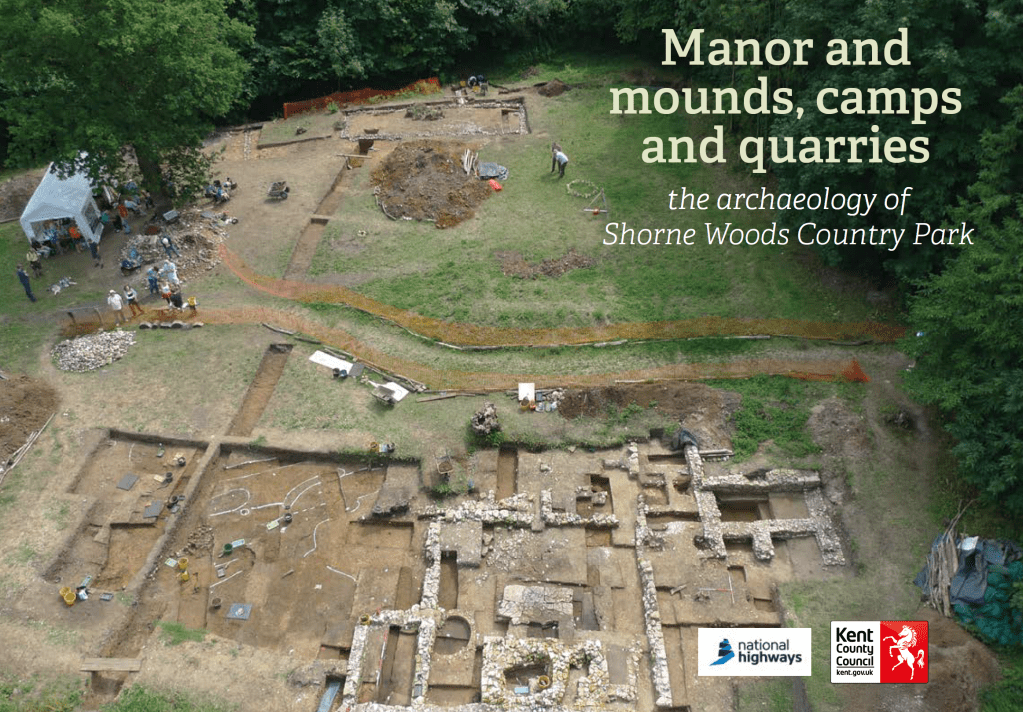
Copies of this are available in the Shorne Country Park Visitor Centre.
Event write-up: Archaeological Walk (part 2)
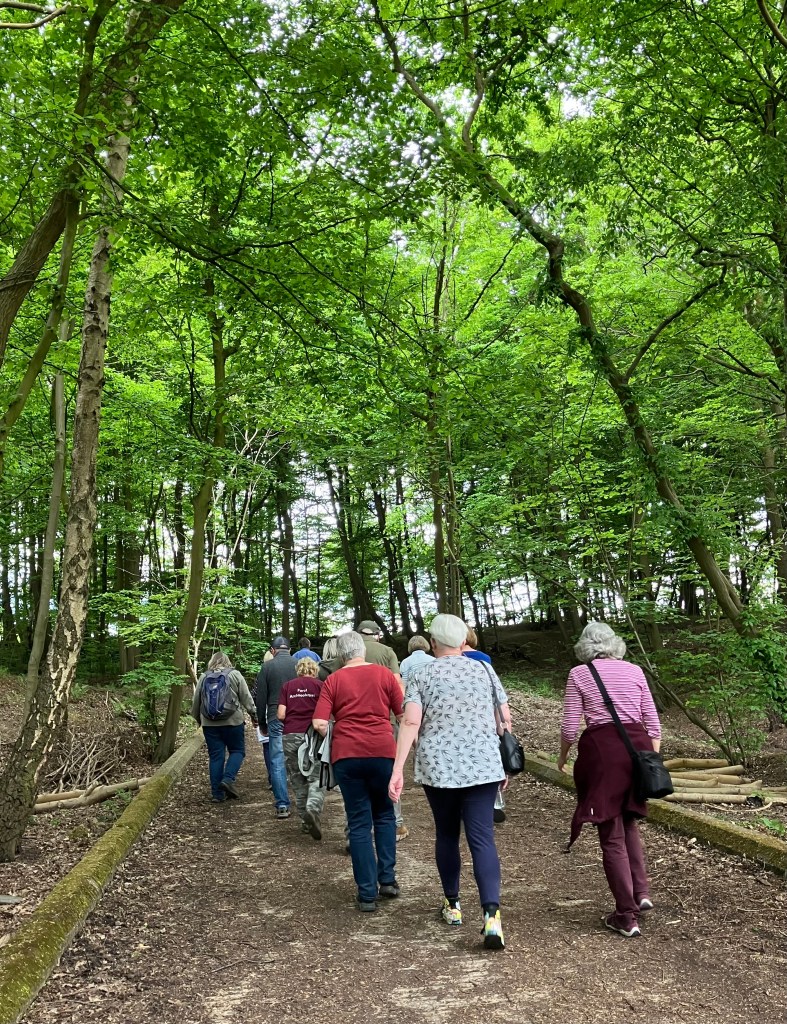
At the beginning of May the Group enjoyed a second visit to Shorne Country Park for a walk.
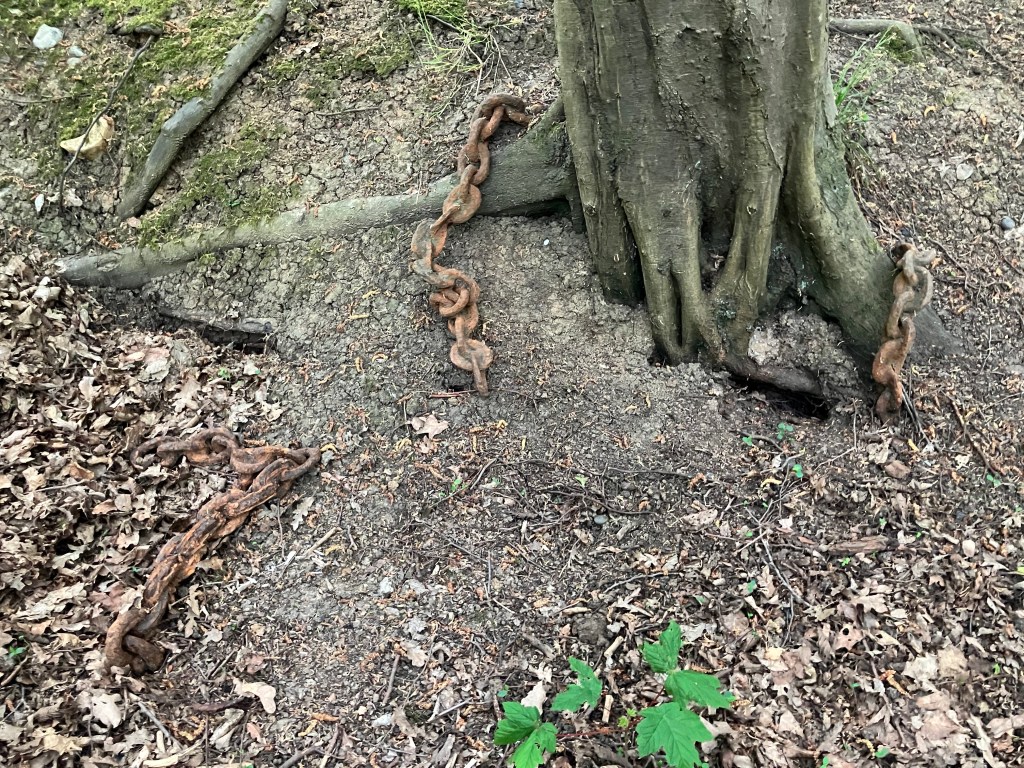
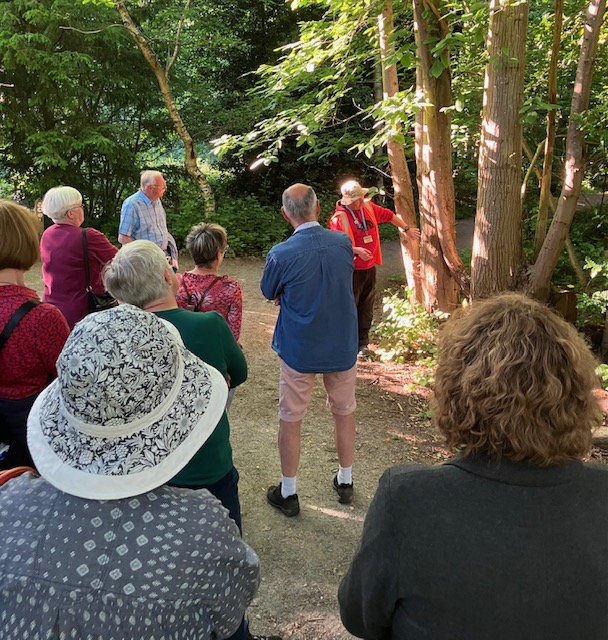
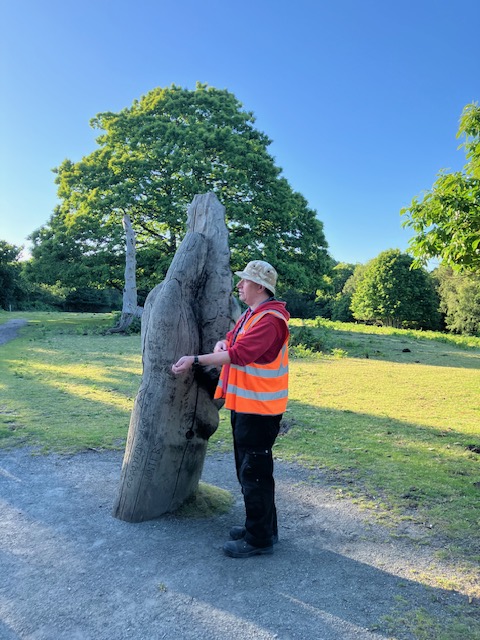
On a lovely sunny spring evening, volunteers from the Shorne Wood Archaeology Group guided us around the Park. We learn about the Clay Works, conveyor belts and small gauge railway tracks that have been uncovered by the group. We heard about the part played by the RAF Camps in World War 2.
The volunteers were so knowledgeable – a lovely way to explore the park and find out more about history on our doorstep.
Event write-up: Archaeological Walk (part 1), with Andrew Mayfield, Kent’s Community Archaeologist.
We had perfect weather for this fascinating walk with Andrew on Thursday 20 June.
Flint tools discovered in the area of the Country Park show the landscape being used possibly as long as 12,000 years ago.
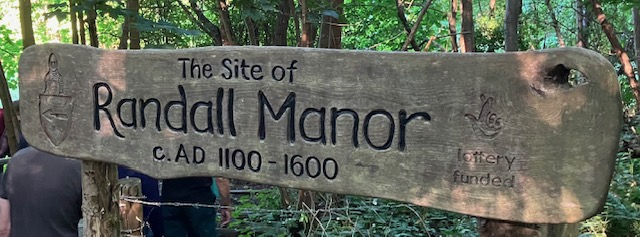
In the 13th century in Randall Woods there were 4 ponds and Randall Manor was the home of Sir Henry de Cobham and his descendants. Fast forward to the 16th century and coppicing of the woodlands began in the late 1500s. The site was used as a clay pit from the 1920s to the 1970s, with the extracted clay fuelling the local cement industry. In World War II air raid shelters were constructed on the site
Kent County Council bought Shorne Wood in 1982 and opened the site as a country park in 1987.
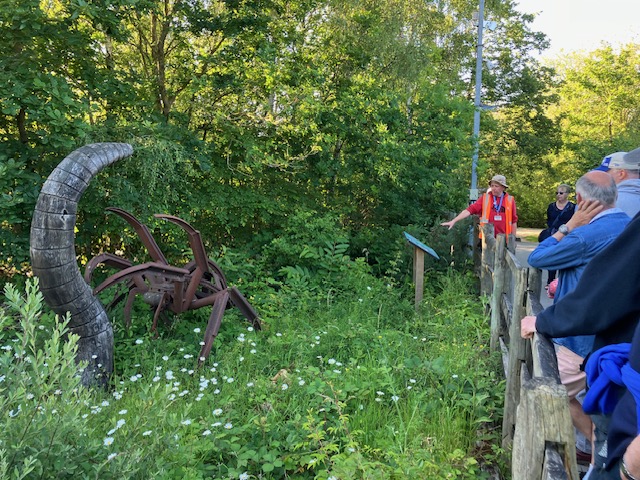
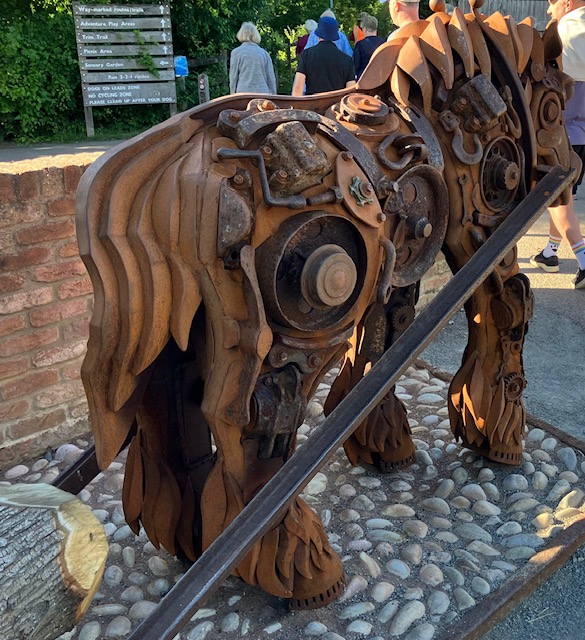
Along the walk we saw pieces of art work by artist Steve Portchmouth
https://steveportchmouth.co.uk/
And Andrew tells us there is still lots to see so we are looking to arrange a Part 2 walk – so look out for details on our website and Facebook page.

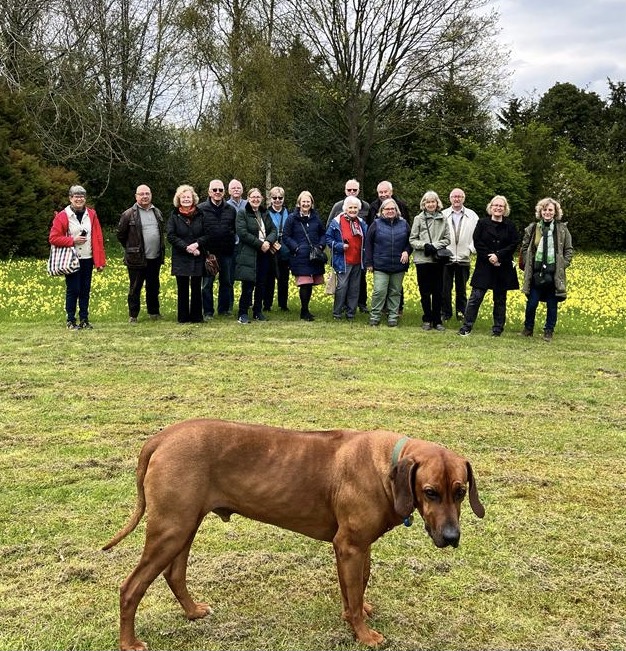
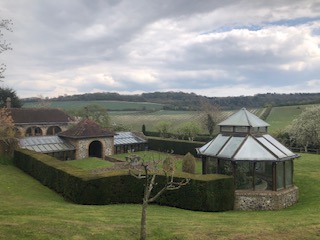
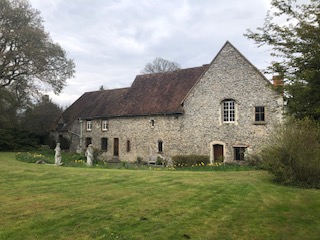
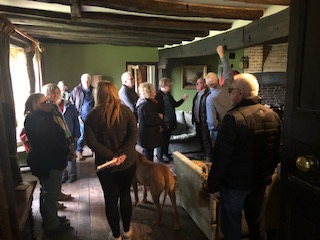
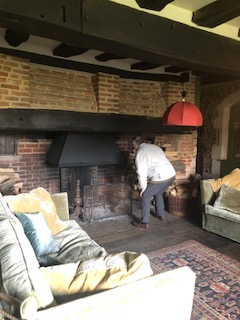
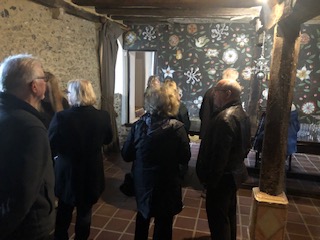
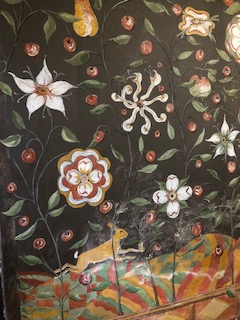
Tour of Luddesdown Court April 2023
Members of the History Group enjoyed a private tour of Luddesdown Court. The Court – a manor house – is thought to have been owned by William the Conqueror’s half-brother, Odo. Some say it is the oldest continuously occupied home in England, dating from the 11th Century with very interesting features from Saxon, Norman, Tudor, Jacobean and even later periods. Grade I listed (only 2.5% of buildings in the country), it also has 23 acres of formal gardens, a Great Hall, and a minstrel’s gallery.
 Higham Village History Group